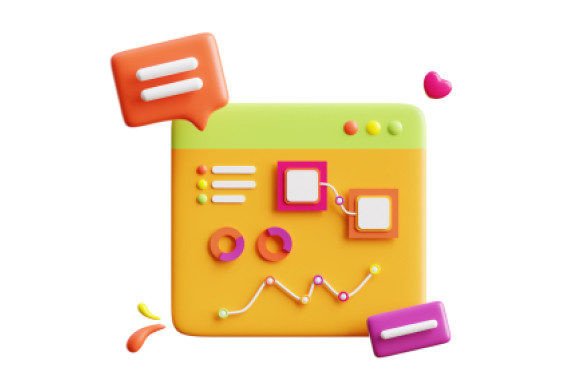
Web UI Diagram 3D Icon: A Powerful Visual Tool for Modern Design
In today’s fast-paced digital world, visual communication is more important than ever. Designers, developers, and marketers are constantly looking for ways to present complex ideas clearly and attractively. One of the most effective tools in their arsenal is the Web UI Diagram 3D Icon. These icons bring a dynamic, three-dimensional perspective to user interfaces, making them not only visually appealing but also intuitive for users.
What Is a Web UI Diagram 3D Icon?
A Web UI Diagram 3D Icon is a stylized graphic that represents elements or functions within a digital interface using three-dimensional effects. Unlike flat icons, which sit on a two-dimensional plane, 3D icons add depth, shadows, and lighting to create a sense of realism. This added dimension helps users quickly identify and interact with components like buttons, menus, and navigation bars.
These icons are typically created using vector graphics software such as Adobe Illustrator or Figma, and they can be rendered in formats like SVG, PNG, or even animated GIFs. Their design often mimics real-world objects or abstract concepts, giving them a tactile feel that enhances user experience (UX).
The Relevance of 3D Icons in Today's Digital Landscape
With the rise of immersive technologies like virtual reality (VR), augmented reality (AR), and high-end web animations, there's a growing demand for visuals that go beyond traditional flat design. The Web UI Diagram 3D Icon fits perfectly into this trend by offering a bridge between modern aesthetics and functional clarity.
Users now expect websites and apps to look polished and professional. A 3D icon can elevate an interface from basic to sophisticated, helping brands stand out in a crowded market. For businesses, this means better engagement and higher conversion rates. For designers, it means more creative freedom and the ability to meet evolving client expectations.
Evolution of UI/UX Design and the Rise of 3D Elements
The evolution of UI/UX design has been marked by a shift from skeuomorphic designs (which mimic real-life textures) to minimalist flat design, and now to a hybrid approach where subtle 3D elements are reintroduced. This movement isn't just about aesthetics—it's about usability and emotional connection. The Web UI Diagram 3D Icon plays a crucial role in this transition by providing a visual language that feels both modern and familiar.
As screens become larger and resolutions sharper, the potential for detailed 3D graphics increases. High-quality 3D icons render beautifully on 4K monitors and mobile devices alike, ensuring a consistent and engaging user experience across all platforms.
How Web UI Diagram 3D Icons Enhance User Experience
One of the main benefits of using Web UI Diagram 3D Icons is how they improve user interaction. When users see a button or menu item with a realistic 3D effect, they're more likely to understand its function without needing text labels. This is especially useful in global contexts where language barriers exist.
- Improved Usability: Realistic shading and depth help users recognize interactive elements at a glance.
- Visual Hierarchy: 3D effects can highlight key features, guiding users toward important actions or content.
- Brand Perception: Sophisticated visuals contribute to a professional image, reinforcing trust and credibility.
Applications Across Different Fields
While the Web UI Diagram 3D Icon is most commonly associated with web and app design, its utility extends far beyond that. Here are some key areas where these icons are making an impact:
Design Needs
Designers often use 3D icons to illustrate complex systems or workflows in a way that’s easy to grasp. Whether you’re creating a website sitemap or mapping out an application’s architecture, adding 3D elements can make your diagrams more engaging and informative.
Animation and Motion Graphics
3D icons are ideal for animated projects. They lend themselves well to transitions, hover effects, and interactive storytelling. For instance, an educational platform might animate a 3D icon to show the flow of data through a network, making the concept more tangible for learners.
Web and UI Design
In web design, 3D icons can serve as visual anchors for sections like contact forms, product categories, or social media links. They can also enhance micro-interactions—those small animations that respond to user input, such as a button depress when clicked. These subtle cues improve UX by making the interface feel responsive and alive.
Presentation Slides and Posters
For creators preparing presentations or designing posters, 3D icons offer a fresh way to visualize information. In a marketing pitch deck, for example, a 3D icon representing customer analytics could draw attention and simplify data-heavy slides. Similarly, in event posters, these icons can make the layout more eye-catching and memorable.
Why the Shift Toward 3D UI Elements?
Several factors are driving the increased adoption of 3D icons in UI design:
- Advancements in Technology: With faster processors and improved rendering engines, it's easier than ever to implement 3D graphics without sacrificing performance.
- User Expectations: As audiences become accustomed to rich media experiences, they expect more from the interfaces they interact with daily.
- Design Trends: Minimalist design is still popular, but it’s being enhanced with subtle 3D touches that add personality and depth.
- Accessibility and Clarity: 3D elements can help distinguish clickable items from static ones, aiding users with cognitive differences or those who prefer visual learning.
This shift reflects a broader trend in digital design: the move toward experiential interfaces that engage users on multiple levels. The Web UI Diagram 3D Icon is part of this journey, helping designers craft more intuitive and immersive environments.
Practical Implications for Designers and Businesses
For professionals in the design field, incorporating 3D icons requires a balance between creativity and technical execution. While the visual appeal is undeniable, it's essential to ensure that these icons don’t overwhelm the interface or slow down load times. Optimizing assets and using scalable formats like SVG are smart strategies for maintaining performance while enhancing visual quality.
Businesses can leverage 3D icons to differentiate their brand and improve user satisfaction. Consider a SaaS company that uses 3D icons in its dashboard. These icons can make navigating the platform feel more natural and less mechanical, encouraging users to explore more features and stay engaged longer.
Real-World Examples
Let’s take a closer look at how the Web UI Diagram 3D Icon is being used effectively in different scenarios:
- E-commerce Websites: Online retailers use 3D icons for shopping cart buttons, wishlists, and filters. These icons feel more tangible, prompting quicker interactions and reducing hesitation.
- Mobile App Interfaces: Apps like productivity tools or fitness trackers incorporate 3D icons to represent progress bars, settings, or achievements. This adds a layer of motivation and clarity for users.
- Infographics and Data Visualization: When presenting statistics or business processes, 3D icons can break up dense content and guide the viewer’s eye naturally across the page.
- Education Platforms: Learning management systems (LMS) utilize 3D icons to represent modules, assignments, and assessments, making the platform more accessible and visually stimulating for students.
Choosing the Right Web UI Diagram 3D Icon
When selecting or creating a Web UI Diagram 3D Icon, consider the following:
- Consistency: Ensure the icon style matches the overall aesthetic of your project. Mixing too many styles can confuse users and dilute your brand identity.
- Functionality: The icon should clearly communicate its purpose. Avoid overdesigning at the expense of clarity.
- Scalability: Choose icons that maintain their quality at various sizes. Vector-based 3D icons are generally the best choice for responsiveness.
- Context: Use 3D icons where they add value. For example, avoid using them in low-traffic areas unless they contribute to the narrative or functionality.
Many design platforms, including Figma, Sketch, and Adobe XD, now support 3D icon integration. Some also provide libraries of pre-made 3D UI icons, allowing teams to streamline their workflow without starting from scratch.
Future Outlook and Best Practices
As we look ahead, the role of the Web UI Diagram 3D Icon will continue to evolve alongside emerging design standards and user behavior. However, it's unlikely that 3D icons will replace flat design entirely. Instead, we’ll probably see a blend of both styles, depending on the context and audience needs.
To stay ahead of the curve, here are a few best practices for working with 3D icons:
- Test Across Devices: Always preview your 3D icons on different screen sizes and resolutions to ensure they remain legible and effective.
- Balance with White Space: Don’t let 3D icons dominate the interface. Give them room to breathe so they don’t compete with other design elements.
- Use Subtly: Overuse of 3D effects can distract rather than inform. Apply them strategically to highlight key features or actions.
- Stay Updated: Keep an eye on design trends and user feedback. What works today may need refinement tomorrow.
Final Thoughts on the Web UI Diagram 3D Icon
The Web UI Diagram 3D Icon is more than just a design element—it’s a tool for improving clarity, engagement, and user satisfaction. Whether you're building a new app, updating a website, or crafting a presentation, integrating 3D icons can help you communicate more effectively and leave a lasting impression.
By understanding their strengths and limitations, and using them thoughtfully, you can harness the power of 3D design to meet both creative and practical goals. As technology continues to advance, the opportunities for innovation with 3D icons will only grow, making them an essential part of any designer’s toolkit.