3D Printer Icon: A Practical Design Element for Modern Infographics and Branding
The 3D Printer Icon has become an essential visual symbol in the digital design landscape, particularly for professionals working with infographics, web design, app development, or any project that requires clear representation of 3D printing technology. This article explores the practical value of the 3D Printer Icon, its relevance across industries, and how it can enhance your creative workflow when used effectively.
Understanding the 3D Printer Icon
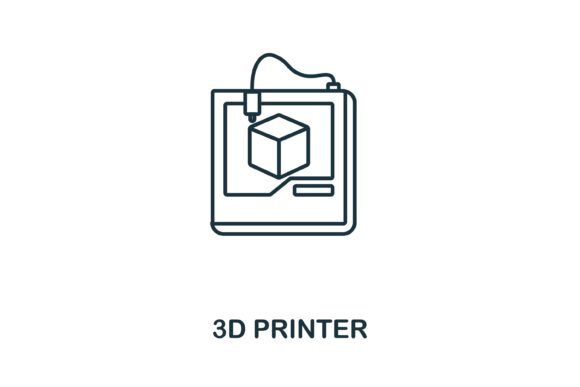
A 3D Printer Icon is a stylized graphic that visually represents a 3D printer. It typically features simplified outlines or vector-based forms of the device to convey its function without unnecessary detail. These icons are commonly used in user interfaces, technical diagrams, presentations, and marketing materials where visual clarity is key. The purpose of such an icon is to communicate the concept of additive manufacturing, prototyping, or personal fabrication quickly and intuitively.
What makes the 3D Printer Icon worth discussing is its role as a bridge between technical processes and user understanding. In an era where 3D printing is no longer just a niche industrial tool but a mainstream innovation, having a recognizable and professional icon is more important than ever. It helps designers, educators, and marketers create content that resonates with both technical experts and general audiences.
Key Characteristics and File Formats
One of the strengths of the 3D Printer Icon lies in its versatility and adaptability. Most high-quality versions of this icon come in multiple file formats—EPS, JPG, AI, and SVG—each serving different needs depending on the project's requirements. Here’s a quick breakdown of what these formats offer:
- EPS (Encapsulated PostScript): Ideal for print media due to its scalability and support for vector paths.
- JPG (Joint Photographic Experts Group): Best for raster-based applications like websites or social media posts where resolution matters.
- AI (Adobe Illustrator): Offers full editability for designers who want to modify the icon's structure or add custom elements.
- SVG (Scalable Vector Graphics): Perfect for responsive web design and mobile interfaces due to its lightweight and scalable nature.
This variety ensures that the 3D Printer Icon can be integrated into almost any design environment, from PowerPoint slides to complex branding projects.
Usability and Flexibility Across Industries
Whether you're an educator explaining the basics of 3D printing, a marketer promoting a new line of printed products, or a software developer designing a dashboard for a 3D printing service, the right icon can significantly improve communication. Its clean lines and minimalistic approach make it suitable for both high-tech and casual contexts.
Consider a scenario where a startup is launching a product that uses 3D printing for customization. Incorporating a 3D Printer Icon into their website’s UI helps users immediately understand the production method. Similarly, in educational settings, a well-designed icon can help students grasp the concept of rapid prototyping without the need for lengthy explanations.
The flexibility of the 3D Printer Icon also extends to color schemes. Many versions allow for easy recoloring using tools like Adobe Illustrator or online editors. This means you can align the icon with your brand identity or infographic theme while maintaining its recognizability.
Quality and Consistency in Icon Design
When evaluating a 3D Printer Icon, quality should be a top priority. Icons sourced from reputable design libraries often feature precise linework, consistent proportions, and accurate depictions of real-world devices. These details may seem small, but they contribute greatly to the overall professionalism of the final design.
Consistency is another factor. If you're using the 3D Printer Icon alongside other machinery or tech-related symbols, ensuring it matches in style and scale is crucial. A mismatched icon can disrupt the visual harmony of your layout and confuse viewers. Fortunately, many collections provide the 3D Printer Icon in sets that maintain a uniform look and feel.
Reliability is also important. High-quality icons are less likely to pixelate, distort, or lose clarity when resized. For instance, using an SVG version of the 3D Printer Icon allows it to scale seamlessly from a tiny button to a large banner without degradation in image quality.
Who Benefits Most from Using a 3D Printer Icon?
Several types of professionals can benefit from incorporating the 3D Printer Icon into their work. Below are some of the most common use cases:
- Designers and Illustrators: Those creating infographics, brochures, or posters related to manufacturing, innovation, or STEM fields will find the 3D Printer Icon invaluable for simplifying complex ideas.
- Marketers and Product Managers: When promoting 3D-printed goods or services, using an icon helps build trust and familiarity with the audience.
- Web and App Developers: Integrating the 3D Printer Icon into navigation menus or interactive dashboards improves usability by offering visual cues about available functions.
- Educators and Content Creators: Teachers and bloggers can use the icon to illustrate topics like prototyping, CAD modeling, or even sustainability in manufacturing.
In all these roles, the ability to quickly convey the idea of 3D printing through a simple yet effective icon can streamline communication and enhance user experience.
Practical Applications and Real-World Examples
Let’s take a closer look at how the 3D Printer Icon might be applied in various scenarios:
- In a product launch presentation, the icon could appear next to a timeline showing the development stages, emphasizing the use of 3D printing in early prototypes.
- For a tech blog post, placing the icon beside sections about filament types or printing techniques adds visual interest and aids skimming.
- In a mobile app interface, the icon might represent a “Print” action or indicate a 3D model preview feature.
- Within a corporate report, it can serve as a recurring motif to highlight the company’s investment in advanced manufacturing technologies.
These examples show that the 3D Printer Icon isn’t just decorative—it plays a functional role in guiding attention, organizing information, and reinforcing concepts.
Evaluating Long-Term Value and Limitations
While the 3D Printer Icon is highly useful, it’s important to consider whether it fits your long-term design strategy. If your project involves frequent updates or evolves over time, choosing an icon that remains relevant is key. Unlike overly trendy graphics, the 3D Printer Icon maintains its usefulness across years and design trends.
However, there are limitations. Some free or low-cost icons may lack the precision and scalability needed for professional use. Always check for licensing restrictions if you plan to use the icon commercially. Additionally, not every design context will require the same level of detail. A minimalist icon might not suit a project needing intricate mechanical illustrations, but it excels in environments where simplicity and speed of recognition are more important.
To maximize long-term value, opt for icons that are part of a cohesive set and follow established design principles. This ensures consistency and reduces the need for rework as your project scales or changes direction.
Recommendations for Effective Use
Here are some recommendations for making the most of the 3D Printer Icon in your projects:
- Use it in conjunction with text to avoid ambiguity. While the icon itself is recognizable, pairing it with a brief label ensures clarity for all users.
- Stick to a single design style if using multiple icons. Whether flat, outlined, or filled, consistency is vital for a polished look.
- Optimize file size when embedding the icon in digital assets. Compressing JPG or SVG files appropriately helps maintain fast load times without sacrificing quality.
- Test the icon in different sizes and backgrounds to ensure visibility and legibility. A subtle color contrast or stroke width can make a big difference in readability.
By following these guidelines, you can ensure that the 3D Printer Icon enhances rather than distracts from your message.
Conclusion
The 3D Printer Icon is a versatile and valuable design element that bridges the gap between abstract concepts and tangible representations. Its availability in multiple editable formats—such as EPS, AI, and SVG—makes it adaptable to a wide range of applications, from print to digital media. With proper consideration of quality, consistency, and context, this icon can be a powerful asset in your design toolkit.
For those looking to incorporate a reliable and stylish 3D Printer Icon into their workflow, sourcing from a trusted design collection is recommended. Evaluate the icon based on your specific needs, and don’t hesitate to experiment with colors and placements to find the best fit for your project. Ultimately, the effectiveness of the 3D Printer Icon depends not only on its design but also on how thoughtfully it’s used within your larger visual strategy.