To Do List 3D Icon: A Versatile Visual Tool for Modern Designers
When it comes to visual design, the right icon can say more than a thousand words. One such versatile asset is the To Do List 3D Icon, which has become increasingly popular among designers looking to convey organization, productivity, and structure in their work. Whether you're crafting a presentation slide, designing a website, or working on an animated project, this icon serves as a powerful symbol that resonates across various industries and audiences.
What Is a To Do List 3D Icon?
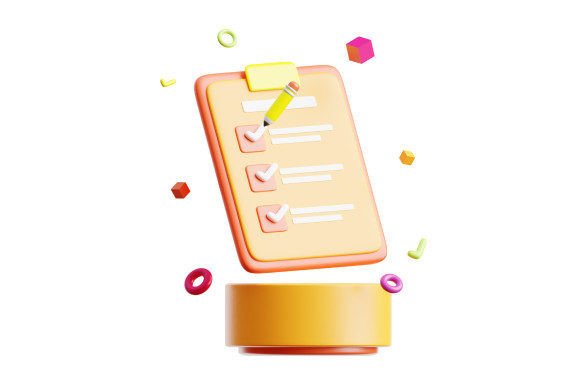
A To Do List 3D Icon is a stylized graphic representation of a task list rendered in three dimensions. It typically features a checklist format with boxes or circles, often accompanied by a pen or tick marks. The 3D aspect adds depth and realism, making the icon visually engaging and easy to recognize at a glance.
This type of icon isn’t just about aesthetics—it's also functional. Its clear symbolism makes it ideal for conveying messages related to planning, time management, and workflow in both digital and print formats. The use of perspective and shading gives it a tactile quality, helping users connect with the concept more intuitively.
Web Design and User Interfaces
In web design, the To Do List 3D Icon is commonly used in dashboards, productivity tools, and app interfaces. For instance, if you're developing a task management platform or a personal finance app, incorporating this icon into buttons or navigation menus can immediately signal to users where they'll find their lists or next steps.
Designers appreciate how the 3D effect enhances user experience by making elements stand out without overwhelming the interface. A subtle glow or shadow can guide attention, while the familiar checklist shape helps maintain usability even when abstract designs are preferred.
Animation and Interactive Media
For animators and motion graphics artists, the To Do List 3D Icon opens up creative possibilities. You might animate a checklist item being ticked off one by one to illustrate progress in a video tutorial or marketing campaign. In interactive media like explainer videos or educational content, the 3D icon can be manipulated to show layers or sections of tasks, adding a dynamic feel to static information.
Using 3D icons in animation can also help simplify complex processes. Imagine showing a customer journey where each step is represented by a checklist item—this makes the process feel structured and manageable, especially for viewers who may not have technical expertise.
Presentation Slides and Business Reports
Whether you're pitching a new product or summarizing quarterly goals, the To Do List 3D Icon can serve as a visual anchor in your slides. It's perfect for highlighting action items, key milestones, or strategic objectives. The 3D effect adds polish and professionalism, making your presentations more engaging than flat illustrations ever could.
Consider using the icon in team meetings to outline upcoming projects or in client proposals to break down deliverables. When paired with concise text, it becomes a quick reference point that helps keep everyone aligned and focused on priorities.
Posters and Print Materials
Print designers aren't left out either. The To Do List 3D Icon works well in posters promoting workshops, events, or health campaigns. Think of a fitness poster encouraging daily routines or a productivity workshop advertisement listing key takeaways—this icon can make those ideas pop.
Its adaptability means it can be resized, recolored, or reoriented to fit different layouts. In fact, many designers choose it because it maintains clarity whether printed in full color or grayscale. This makes it a reliable choice for brochures, flyers, and infographics where readability is crucial.
Who Benefits Most from Using It?
- Productivity App Developers: These professionals rely heavily on icons to communicate functionality. A 3D to-do list icon can be used in mobile apps or desktop software to represent task creation or completion tracking.
- Project Managers: When presenting timelines or action plans, the icon provides a visual shorthand that’s universally understood. It can help streamline communication in cross-functional teams.
- Educators and Trainers: In e-learning platforms or training manuals, the icon can mark lessons completed or assignments due, offering learners a sense of accomplishment and direction.
- Graphic Designers and Marketers: From social media posts to brand collateral, the icon helps reinforce messages around efficiency and goal-setting—key themes in modern marketing.
Practical Examples in Action
Let’s look at some real-world scenarios where the To Do List 3D Icon shines:
- Task Management Dashboard: A startup’s internal dashboard uses the icon to represent user-generated tasks. Each click reveals more details, and the 3D rendering makes the interface feel intuitive and responsive.
- Health and Wellness Campaigns: A public health initiative uses the icon on posters to encourage people to track daily habits like exercise, hydration, and sleep. The 3D style draws attention and invites interaction.
- Corporate Training Modules: HR departments integrate the icon into onboarding materials to indicate completed training steps. The visual cue reduces confusion and keeps employees motivated to finish all required modules.
- Mobile App UI: A budgeting app employs the icon to show users what financial goals they’ve set and which ones are pending. The 3D effect helps differentiate between active and inactive tasks, improving user navigation.
Choosing the Right Version for Your Project
Before integrating a To Do List 3D Icon into your work, consider these factors to ensure it aligns with your needs:
- Style and Tone: Does your design lean towards minimalism or bold visuals? Some 3D icons are highly detailed, while others are more simplified. Choose one that matches your brand identity.
- Color Scheme: Make sure the icon complements your existing palette. If you’re using a lot of bright colors, a neutral-toned icon may offer better contrast. Conversely, vibrant versions can add energy to a muted background.
- Resolution and Format: High-resolution PNGs or SVG files are best for print or scalable web use. For animations, vector-based formats give you more flexibility in manipulating the design.
- License Type: Always check the licensing terms. Free icons may restrict commercial use, while premium versions often provide broader permissions and higher quality assets.
Strengths and Limitations
The To Do List 3D Icon brings several advantages to the table:
- Universal Recognition: People understand what a to-do list represents, making this icon accessible to a wide audience regardless of language or cultural background.
- Versatility: It fits into almost any design context, from corporate websites to casual blog posts.
- Scalability: Thanks to its clean lines and defined shapes, the icon remains legible at various sizes.
However, there are some limitations to be aware of:
- Overuse Risk: While effective, using the same icon repeatedly without variation can lead to visual fatigue. Consider pairing it with other relevant symbols or changing its orientation slightly for diversity.
- Context Sensitivity: In certain settings, like luxury branding or minimalist art, the checklist motif may clash with the desired tone. Always evaluate the context before applying it.
- Technical Requirements: Some 3D icons require advanced software to edit fully. If you plan to customize the design extensively, ensure you have the right tools available.
How to Integrate It Effectively
Here are a few tips to get the most out of the To Do List 3D Icon:
- Pair with Text: Use the icon alongside short, impactful phrases like “Next Steps,” “Action Items,” or “Daily Goals” to reinforce the message.
- Group Related Elements: Combine the icon with other productivity-themed visuals (like clocks, calendars, or folders) to create cohesive design clusters that enhance storytelling.
- Use Consistently: Maintain a consistent visual theme throughout your project. If the icon appears multiple times, apply the same color treatment and scale to avoid disrupting the flow.
- Experiment with Layout: Try placing the icon horizontally for web interfaces or vertically for posters. Play with shadows and lighting to match the mood of your design.
Final Thoughts on Practical Application
The To Do List 3D Icon is more than just a decorative element—it's a strategic design tool. When used thoughtfully, it can improve user engagement, clarify complex information, and support visual storytelling across platforms. Whether you're creating a sleek business website or a motivational poster, this icon offers a simple yet effective way to highlight organization and progress.
As with any design element, the key lies in understanding your audience and purpose. Test different variations, observe how they interact with the icon, and adjust accordingly. With the right approach, the To Do List 3D Icon can become an essential part of your creative toolkit.