Retro - Editable Text 3D Style: A Timeless Design Tool for Modern Creators
Designers, marketers, educators, and hobbyists often find themselves in need of a unique yet versatile text effect that adds character to their projects. Enter the Retro - Editable Text 3D Style, an Adobe Illustrator vector design that brings the charm of vintage aesthetics into modern digital workspaces. This tool is more than just a visual enhancement—it’s a bridge between nostalgia and innovation, letting users customize 3D text effects with ease and precision.
What Is Retro - Editable Text 3D Style?
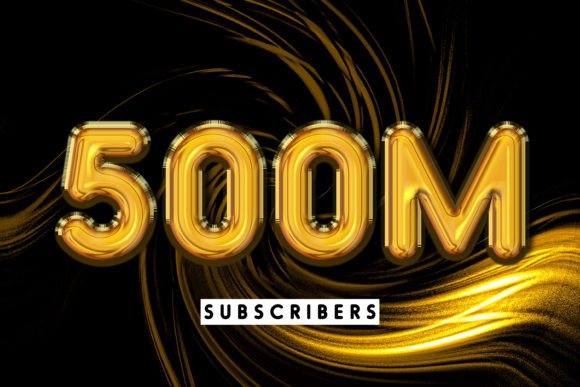
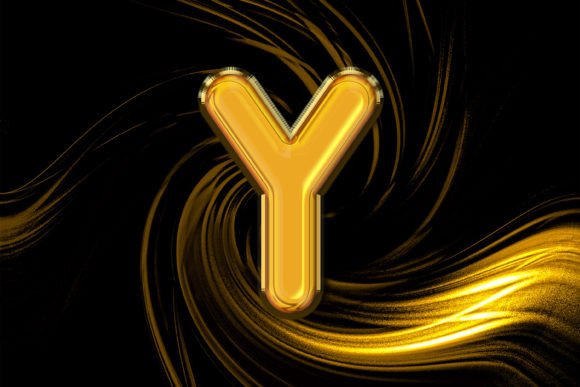
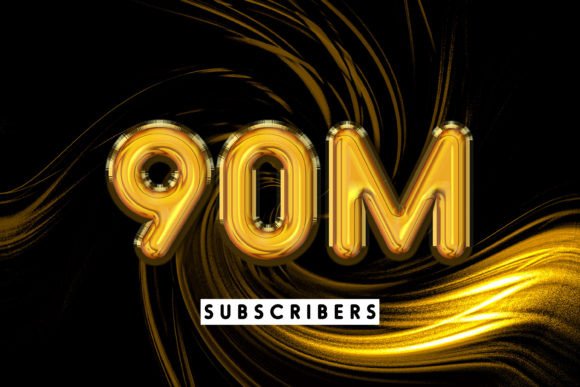
The Retro - Editable Text 3d Style is a fully editable vector-based text effect designed for Adobe Illustrator. It allows users to create eye-catching 3D text with a retro flair by simply clicking on the text layer and typing in their desired message. The beauty of this style lies in its flexibility—users can adjust colors, fonts, sizes, and even lighting without compromising quality or scalability. Included with each download is a preview JPG file, making it easy to visualize the final look before diving into customization.
Why Use It?
People use this tool when they want to add depth and dimension to their designs while maintaining the nostalgic feel of retro typography. Unlike static images or pre-made templates, this vector style adapts seamlessly to various projects, from logos and posters to social media graphics and packaging. Its 3D qualities make it stand out in both print and digital formats, giving a tactile, almost tangible presence to any message.
Marketing and Branding
Entrepreneurs and small business owners can leverage the Retro - Editable Text 3d Style to craft brand identities that evoke warmth and authenticity. For example, a vintage-style café might use this effect for their logo to reflect the classic ambiance they aim to create. By customizing the text color to match their branding palette and adjusting the size for different applications—from signage to promotional materials—they ensure consistency and impact across all touchpoints.
Graphic Design Projects
Freelance designers frequently encounter clients who want something “different” or “nostalgic.” With this 3D text style, they can quickly generate mockups for book covers, album art, or event posters. Imagine designing a flyer for a retro-themed music festival—this style could instantly elevate the visuals, making the event name pop with a bold, dimensional look that resonates with attendees' expectations of the vibe.
Bloggers and Content Creators
Blogs about vintage fashion, retro gaming, or classic cars often benefit from cohesive visual themes. A blogger creating a post titled “The Return of Neon Signs in Interior Design” might use this text style to highlight key sections of their article. The 3D aspect gives the text a dynamic feel, drawing readers’ attention and reinforcing the theme with a stylistic element that feels handcrafted and authentic.
Educational Materials
Teachers and educators looking to engage students with interactive content can apply this style to classroom presentations or educational posters. For instance, a history teacher covering the 1960s counterculture movement could use retro-styled 3D text to emphasize important terms like “Peace,” “Love,” or “Revolution.” The added dimension makes the information more memorable and visually stimulating, especially for younger audiences used to digital content.
Commercial Applications
Small businesses selling handmade or vintage-inspired products can incorporate this text style into their packaging and product labels. A boutique selling retro vinyl records might use it to label limited edition releases, adding a sense of exclusivity and craftsmanship. Since the design is fully editable, it's easy to update for seasonal promotions or new collections without needing to start from scratch.
Digital Art and Social Media
In the fast-paced world of social media marketing, standing out is essential. Marketers can use the Retro - Editable Text 3D Style to create Instagram stories, Pinterest pins, or Facebook banners that catch the eye. The ability to scale the design means it looks sharp whether displayed as a large banner or a smaller thumbnail. For influencers in niche markets like retro fashion or vintage decor, this style can be a signature element that enhances their personal brand across platforms.
How Different Users Benefit from the Retro - Editable Text 3D Style
Every user has a unique perspective and set of needs. Here’s how different professionals and individuals can harness the power of this design:
- Logo Designers: Create logos with a vintage twist that still feel fresh and professional. Clients love the blend of old-school charm and modern usability.
- Event Planners: Craft invitations and signage for retro-themed events like 80s parties, vintage car shows, or steampunk conventions. The 3D text adds excitement and sets the right tone immediately.
- Product Packaging Artists: Use the style to give new products a classic look, appealing to consumers who value heritage and timeless design.
- Web Developers: Integrate this style into website headers or buttons for sites focused on retro culture, such as online stores for vintage clothing or retro gaming consoles.
- Hobbyists and DIY Enthusiasts: Customize home décor, T-shirt prints, or greeting cards with a personalized touch that feels both artistic and approachable.
Practical Considerations Before Using the Retro - Editable Text 3D Style
While the Retro - Editable Text 3D Style is incredibly useful, there are some practical aspects to consider before applying it to your project:
- Compatibility: Ensure you have Adobe Illustrator installed, as the design requires this software to edit effectively. Some features may not render correctly in other programs unless properly converted.
- Color Matching: While the text is editable, choosing the right color scheme is crucial. Test it against your background to ensure readability and aesthetic harmony.
- Use Case Relevance: Ask yourself if the retro look aligns with your project’s purpose. Overusing the effect may clash with modern or minimalist themes.
- Performance in Print vs. Digital: The 3D elements will translate well in high-quality print but may require optimization for web use to maintain clarity and reduce file size.
- Learning Curve: If you’re new to Illustrator, take some time to explore the tools involved in editing 3D styles. Online tutorials or community forums can help you master the technique faster.
Scenarios Where the Retro - Editable Text 3D Style Shines
Let’s dive into a few specific scenarios where this design element becomes invaluable:
1. Vintage-Themed Wedding Invitations
A wedding planner tasked with organizing a 50s-themed celebration could use this 3D text style to design invitations. Words like “Marriage,” “Celebrate,” or the couple’s names become focal points with a warm, textured look that feels like it was crafted decades ago. The editable nature allows quick changes to dates, venues, or guest names without reworking the entire design.
2. Music Festival Poster Design
When promoting a music festival centered around classic rock or jazz, using the Retro - Editable Text 3D Style helps reinforce the theme. The main headline—such as “Groove Revival 2024”—can be transformed into a vibrant 3D piece that seems to leap off the poster. This creates immediate visual interest and draws potential attendees into the event’s atmosphere.
3. Personalized Merchandise for Nostalgia Brands
Merchants selling branded merchandise for retro TV shows, video games, or movies can use this style to create t-shirts, mugs, or stickers with a strong visual identity. For example, a store offering Star Trek-themed gear might use the 3D text to stylize the word “Voyage” in a way that feels iconic and immersive.
4. Educational Infographics
Teachers preparing infographics for lessons on historical movements or technological evolution can enhance their visuals with this text style. When discussing the rise of disco in the 70s or the birth of punk rock, the retro 3D text helps students connect emotionally and visually with the era being studied.
Connecting Features to Real Outcomes
It’s one thing to list features and quite another to understand how they lead to real-world success. Here’s how the Retro - Editable Text 3D Style delivers results:
- Time Efficiency: Instead of manually crafting 3D text layers, users can focus on creativity rather than technical execution.
- Consistency: The same style can be applied across multiple platforms—business cards, websites, and advertisements—ensuring brand coherence.
- Cost-Effectiveness: For those without access to advanced 3D modeling software, this style offers a budget-friendly alternative to achieve professional-grade visuals.
- Client Satisfaction: Freelancers who deliver polished, customizable designs using this tool often see higher client retention and satisfaction due to the ease of revisions and the striking visual output.
- Increased Engagement: On digital platforms, retro 3D text tends to capture attention more effectively, especially among audiences familiar with or fond of older design trends.
Final Thoughts on Application and Creativity
The Retro - Editable Text 3D Style isn’t just about aesthetics—it’s about storytelling through design. Whether you're building a brand, teaching a class, or creating content for fun, this tool gives you the power to convey emotion and meaning in a visually compelling way. The best part? You don’t need to be an expert to get started. Simply click, type, and let the retro vibes guide your next creative project.
By understanding how to apply this style thoughtfully, you can turn ordinary messages into extraordinary visuals that resonate with your audience. So next time you’re brainstorming a design concept, consider how the Retro - Editable Text 3D Style could bring a touch of the past into your present-day creations.