3D Rendered Graveyard for Halloween: A Creative Resource for Design Projects
Halloween is a time of year when creativity takes center stage. From haunted houses to digital graphics, the demand for spooky and engaging visual content surges. One powerful tool that stands out in this creative landscape is the 3D rendered graveyard for Halloween. This type of graphic asset offers designers, marketers, and content creators a versatile way to bring eerie, atmospheric visuals to their projects without starting from scratch.
Understanding 3D Rendered Graveyards for Halloween
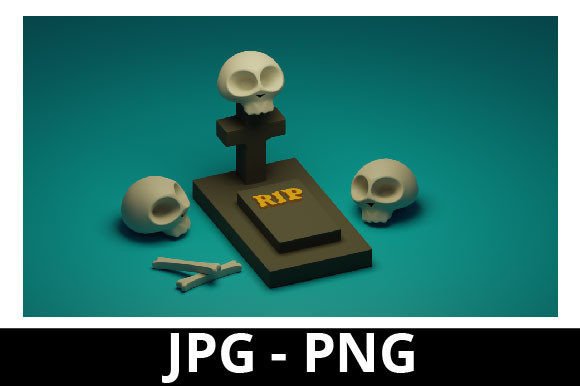
A 3D rendered graveyard is a digitally created scene featuring tombstones, skulls, bones, ghosts, and other elements commonly associated with the Halloween season. These renderings can be highly realistic or stylized, such as cartoonish or horror-themed. They are typically produced using 3D modeling software like Blender, Maya, or Cinema 4D and then exported into formats like JPG or PNG for easy integration into various media types.
These assets fit seamlessly into design workflows for websites, social media posts, print materials, and more. Whether you're creating promotional material for an event or designing a background for a themed game, a 3D graveyard provides a rich foundation to build upon.
Pre-Project Planning and Preparation
Before diving into your Halloween project, it's essential to define the purpose and tone of your content. A 3D rendered graveyard could serve different roles depending on your needs. For instance:
- If you're planning a horror-themed marketing campaign, a realistic graveyard with shadows and mist might enhance the mood.
- If your audience is younger, a cartoon-style graveyard with playful ghosts and skeletons could be more appropriate.
Once the concept is clear, source your 3D graveyard assets. Look for ZIP folders containing high-quality JPGs and PNGs. These files should include variations—such as isolated objects, full scenes, or elements like skulls and bones—that allow flexibility during the design process.
Integrating 3D Graveyard Elements Into Your Workflow
The beauty of 3D graveyard assets lies in their adaptability. Here’s how they can be used effectively across different stages of a project:
During Concept Development
In the early phases of your Halloween design project, use the 3D graveyard as a visual reference. It can help stakeholders visualize the final product, whether it's a poster, a website banner, or a video backdrop. Tools like Photoshop or Illustrator can layer these images with text and other Halloween-related graphics such as bats, cauldrons, or jack-o'-lanterns.
You can also use these graveyard images in mood boards or storyboards. They offer a strong conceptual anchor that aligns with the themes of fear, death, and spookiness, which are central to many Halloween narratives.
During Execution
When building your design, having pre-rendered 3D graveyard images saves significant time. You can drag and drop them into your layout tools, adjust lighting and color tones, and even composite them with live-action footage if needed. These assets often come with transparent backgrounds (PNG), making it easy to place them over any color scheme or texture.
For web developers or animators, these graveyard images can act as static or animated backgrounds. Consider using them for October landing pages, email templates, or app interfaces. The key is to maintain compatibility with your chosen platform—whether it's WordPress, Canva, or After Effects—and ensure the resolution and file format meet your technical requirements.
Post-Production Use and Optimization
After your Halloween design is complete, 3D graveyard assets can still play a role. They’re excellent for repurposing content throughout the season. For example, you can crop sections of the graveyard into wallpapers, create thumbnail versions for social media, or animate certain parts for short videos.
Also, consider organizing your graveyard assets in a dedicated folder within your design resource library. Labeling them clearly by style (realistic, cartoon), element (skulls, ghosts), and usage (background, foreground) will streamline future access and maintain consistency in your brand’s visual identity.
Enhancing Creativity with 3D Graveyard Assets
While 3D graveyard assets provide a ready-made base, don’t treat them as static components. Think of them as part of a larger toolkit. Combine them with other Halloween elements such as pumpkins, fog effects, or blood splatters to create unique compositions. Here are some practical tips:
- Layering: Use multiple graveyard assets layered together to add depth and complexity to your design.
- Color Grading: Adjust the colors to match your project’s palette—try dark blues, purples, or sepia tones for a classic Halloween feel.
- Lighting Effects: Add artificial light sources like flickering candles or moonlight to elevate the spooky atmosphere.
- Text Overlays: Incorporate Halloween-themed fonts and phrases like "Boo!", "Trick or Treat", or "Welcome to the Season of Fear" for maximum impact.
Compatibility and Usability Across Platforms
To make the most of your 3D graveyard assets, it's important to understand where and how they perform best. High-resolution JPGs are ideal for print work and large displays, while PNGs with transparency are better suited for digital overlays and animations.
Ensure that the assets you choose are compatible with your workflow tools. If you're working with Adobe products, confirm the dimensions and resolutions align with standard specifications. For those using free platforms like Figma or Canva, check for supported file formats and scalability options.
Additionally, think about accessibility. While Halloween is all about spookiness, not all audiences may appreciate overly scary imagery. Offer alternative versions of your designs—perhaps one with a subtle graveyard and another more intense—to cater to diverse preferences.
Quality Control and Long-Term Use
Not all 3D graveyard assets are created equal. When selecting resources, prioritize quality. Look for details like accurate textures on tombstones, consistent lighting, and natural shadow casting. Poorly rendered assets can undermine the professionalism of your project, especially in business contexts like marketing or e-commerce.
Keep an eye on the resolution and aspect ratio. If you're preparing content for mobile devices, ensure the graveyard image fits vertically and doesn't lose detail when scaled down. For print materials, verify that the file size and DPI are suitable for high-quality output.
Long-term usability is also key. Store your graveyard assets in a centralized, searchable location so they can be reused in future campaigns. As Halloween trends evolve each year, having a well-curated graveyard collection allows you to tweak and update designs efficiently instead of starting over.
Real-World Applications and Use Cases
Here are some common ways professionals use 3D graveyard assets in real-world scenarios:
- Marketing Campaigns: Use graveyard scenes in email headers, banner ads, or social media posts to promote Halloween events, products, or services.
- Website Backgrounds: Set a spooky graveyard as a hero section background for businesses offering seasonal promotions or themed experiences.
- Game Design: Integrate graveyard models into game environments to set the tone for horror or adventure genres.
- Print Media: Create Halloween cards, posters, or flyers with graveyard visuals that evoke emotion and grab attention.
- Video Content: Apply graveyard images as backdrops in YouTube thumbnails, intro sequences, or promotional clips for horror films or podcasts.
Each of these applications benefits from the visual richness of a 3D graveyard, but they also require thoughtful placement and styling to avoid overwhelming the viewer or clashing with other design elements.
Workflow Integration Tips for Smooth Implementation
Integrating 3D graveyard assets into your workflow can be seamless if approached correctly. Here’s how to do it:
- Plan Ahead: Identify where the graveyard will appear in your design before downloading the assets. This helps you choose the right style and scale.
- Organize Files: Extract the ZIP folder and categorize the images by purpose. Naming conventions like “graveyard_realistic_1920x1080” or “skull_cartoon_isolated” make retrieval easier later.
- Use Asset Libraries: Import graveyard assets into your preferred design tool’s library for quick access. This is particularly useful for teams working collaboratively.
- Test Variations: Try different graveyard images in mockups to see what resonates best with your target audience before finalizing the design.
- Backup Original Files: Always keep the original high-res JPG and PNG versions separate from edited ones to allow for future adjustments.
Maintaining Consistency and Brand Alignment
Consistency is vital in branding, even during Halloween. While graveyard imagery is inherently spooky, it should still reflect your brand’s voice and aesthetic. If your brand leans toward humor, pair graveyard visuals with funny taglines or character designs. If your tone is serious or luxury-oriented, opt for more elegant, darker shades and cleaner layouts.
Use graveyard assets to reinforce thematic continuity across all Halloween-related content. For example, if you're launching a limited-time product, apply the same graveyard motif across packaging, emails, and online banners. This strengthens recognition and creates a cohesive user experience.
Conclusion
3D rendered graveyards are more than just Halloween decorations—they’re strategic design assets that can elevate your creative output. By understanding their role in both concept and execution, you can leverage these visuals to craft compelling, on-brand content that resonates with your audience.
Whether you're a marketer crafting a seasonal campaign, a designer building a horror-themed game, or a small business owner promoting October sales, integrating a 3D graveyard into your workflow can save time, spark inspiration, and deliver impactful results. Choose your assets wisely, organize them thoughtfully, and use them creatively to maximize their value in every project.