3D Computer with Backup Music Storage: A Versatile Design for Print, Decoration, and Creative Use
In today’s digital world, visual design plays a crucial role in communication across various industries. One such design that has gained popularity is the 3D computer with backup music storage. This concept not only represents modern technology but also serves as a powerful graphic element suitable for print media, digital decoration, and background design. Whether you are a designer, educator, or business owner, understanding how this design can be used effectively can enhance your creative projects and deliver professional results.
The Concept Behind 3D Computer with Backup Music Storage
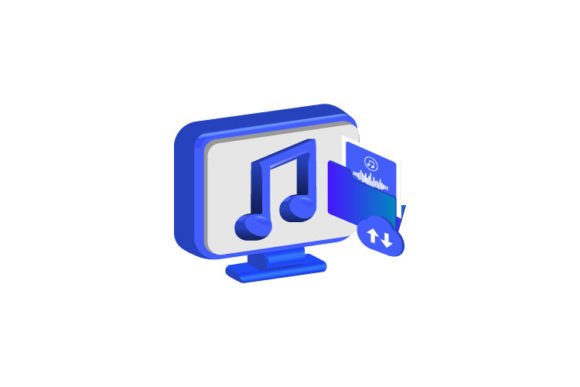
A 3D computer with backup music storage typically features a stylized illustration of a computer system accompanied by symbolic representations of data storage—often in the form of musical notes, hard drives, or cloud-based icons. The 3D aspect adds depth and realism to the image, making it visually engaging while maintaining clarity. The inclusion of backup music storage highlights the importance of preserving digital audio content, which is essential for musicians, producers, and even casual users who value their playlists and recordings.
This type of design vector is often created using advanced graphic software such as Adobe Illustrator, CorelDRAW, or similar tools. The result is a high-quality, scalable image that can be adapted for different resolutions and formats. Common file types available include AI (Adobe Illustrator), EPS (Encapsulated PostScript), SVG (Scalable Vector Graphics), PNG (Portable Network Graphics), and JPG (Joint Photographic Experts Group). Each format caters to specific use cases, ensuring flexibility for both print and digital applications.
Applications Across Industries
The 3D computer with backup music storage design vector is incredibly versatile. Here are some key areas where it finds relevance:
- Print Media: Used in brochures, posters, and flyers to represent tech-related services like data recovery, cloud computing, or digital audio solutions.
- Digital Decoration: Applied as a background or accent in websites, presentations, and social media posts to add a modern, tech-savvy aesthetic.
- Element Design: Integrated into larger compositions, such as infographics or educational materials, to explain complex topics related to computers and data storage.
- Business Branding: Incorporated into logos, banners, or promotional materials for companies offering IT support, music production, or online storage services.
For example, a music school might use this design in a poster advertising a new course on digital audio workstations, while an IT service provider could feature it in marketing collateral to emphasize secure data management. In both scenarios, the visual representation helps bridge the gap between technical jargon and audience understanding.
Advantages of Using 3D Design Vectors
Vector graphics offer several benefits over traditional raster images. When working with a 3D computer with backup music storage design vector, these advantages become especially relevant:
- Scalability: Vector files maintain crisp edges and clear details at any size, making them ideal for everything from small icons to large billboards.
- Customizability: With editable layers and paths, designers can easily modify colors, shapes, and elements without compromising quality.
- Cross-Platform Compatibility: Formats like SVG and PNG ensure that the design works seamlessly across web, mobile, and print platforms.
- Storage Efficiency: Compared to high-resolution JPEGs or PNGs, vector files like AI or EPS are more compact and easier to manage in project folders.
Moreover, the 3D effect brings an added layer of professionalism and sophistication to the visuals. It allows for realistic lighting, shadows, and textures, enhancing the overall impact of the design without requiring complex 3D modeling skills from the end user.
Real-World Use Cases
Design vectors featuring a 3D computer with backup music storage have practical uses in many real-world situations. Let's explore a few examples:
- Music Production Studios: These designs are often used in promotional material or website headers to showcase the studio's digital capabilities and data security measures.
- Education Sector: Teachers and professors can use this imagery in slides or handouts when discussing topics like data management, cloud storage, or multimedia technologies.
- Graphic Design Projects: As a standalone element, it can serve as a focal point in illustrations or as part of a larger composition in editorial design or UI/UX mockups.
- Corporate Presentations: Businesses looking to present technological innovations or services benefit from the clean, modern look of this design to reinforce their message visually.
One notable trend is the use of such vectors in stock image libraries. Many designers purchase these assets to quickly incorporate them into their workflows, saving time and resources. The ability to download in multiple formats like AI, EPS, SVG, PNG, and JPG ensures compatibility with most design tools and output requirements.
Choosing the Right Format for Your Needs
When you acquire a 3D computer with backup music storage design vector, you'll typically receive it in multiple file formats. Understanding which one best suits your needs is essential for maximizing the asset’s utility:
- AI (Adobe Illustrator): Best for editing in Adobe Illustrator, allowing full customization of colors, text, and effects.
- EPS: Ideal for print projects due to its high resolution and compatibility with professional printing equipment.
- SVG: Perfect for web use, particularly in responsive designs where scalability is important.
- PNG: Offers transparency options and is widely supported across digital platforms for quick integration into web pages or apps.
- JPG: Suitable for backgrounds or non-editable content where lossy compression doesn’t affect the outcome significantly.
Each format serves a unique purpose, and selecting the right one depends on your intended application. For instance, if you're designing a logo that includes this element, SVG would allow it to scale perfectly on different devices. If you’re preparing a printed brochure, EPS ensures the highest quality output.
Design Considerations and Best Practices
While the 3D computer with backup music storage design vector offers numerous benefits, there are a few considerations to keep in mind when incorporating it into your projects:
- Color Scheme: Ensure the colors align with your brand identity or the theme of the project. Most vectors come in standard color palettes, but they can usually be edited to suit specific needs.
- Resolution Requirements: For print use, always verify that the vector is exported at a sufficient resolution, typically 300 DPI or higher.
- Layer Management: Files in AI or EPS format often include layered components, so organize them properly to avoid confusion during editing.
- Contextual Relevance: The design should complement the message being conveyed. Using it in a context unrelated to technology or data management may dilute its effectiveness.
Additionally, consider the placement and sizing of the graphic within the layout. Because of its detailed nature, the 3D computer design should not be overcrowded with other elements. Give it enough space to stand out and convey its intended meaning clearly.
Emerging Trends and Future Relevance
As the demand for visually rich content continues to rise, the 3D computer with backup music storage design vector is likely to remain a popular choice among professionals. Emerging trends suggest a growing preference for minimalist yet informative visuals that communicate complex ideas in simple forms. This design fits well within that trend, offering a balance between detail and readability.
With the increasing convergence of music and technology, this design also becomes relevant in discussions about digital music preservation, smart home entertainment systems, and AI-driven sound engineering. Its adaptability makes it a future-proof asset for anyone involved in creating content around these themes.
Conclusion
The 3D computer with backup music storage design vector is more than just a graphical asset—it's a representation of innovation, security, and creativity in the digital age. From print materials to web backgrounds, its applications are vast and varied. By understanding the strengths of each file format and considering the design's contextual relevance, users can harness its potential to elevate their visual storytelling and branding efforts. As the industry evolves, staying informed about how to utilize such assets will continue to be a valuable skill for creators and professionals alike.