3D Computer with Backup Image Storage: Enhancing Design and Workflow
In the fast-paced world of digital design, marketing, education, and publishing, visual assets are more than just supplementary—they’re essential. One such tool that has gained traction is the 3D computer with backup image storage. This concept isn’t limited to a physical device; rather, it refers to a 3D model or graphic representation of a computer that includes a visual emphasis on secure data storage, often used in presentations, branding, and educational materials. When paired with high-quality design vectors like those available in AI, EPS, SVG, PNG, and JPG formats, these visuals can significantly enhance communication and creativity.
Understanding the Role of 3D Computer Graphics with Storage Emphasis
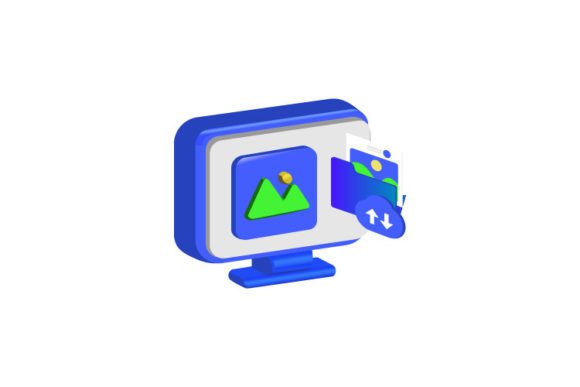
A 3D computer with backup image storage typically features a stylized illustration of a computer system, where one or more components—like external drives or cloud icons—are highlighted to represent data security and storage solutions. These graphics are often used as background elements, decorative accents, or central illustrations in digital and print media. They serve not only an aesthetic purpose but also a communicative one, especially for professionals who need to convey ideas around technology, data management, or workflow optimization without using complex jargon.
Why It Matters for Modern Professionals
For entrepreneurs, marketers, educators, and content creators, clarity in visual storytelling is key. A well-crafted 3D computer image with a focus on backup storage can quickly communicate the importance of data protection, which is vital in today’s tech-driven landscape. Whether you're designing a presentation about cybersecurity for a client or illustrating a blog post about home office setups, these visuals offer a clean and professional way to reinforce your message.
Practical Applications Across Industries
The versatility of 3D computer with backup image storage design vectors makes them suitable for a range of applications. Here are some realistic use cases across different fields:
- Marketing and Branding: Use the image in promotional materials to highlight your company's commitment to secure data handling and efficient workflows.
- Education and Training: Incorporate the graphic into infographics or slides to teach students or employees about the importance of regular backups and safe computing practices.
- Interior Design and Print Media: The isolated vector format allows for seamless integration into posters, brochures, or even wall art that blends modern aesthetics with functional messaging.
- Web Development and UI/UX: As part of website mockups or app interfaces, this design element can subtly guide users toward understanding data storage features.
Supporting Creativity and Communication
Designers often face the challenge of balancing form and function. A 3D computer with backup image storage provides a solution by offering both an engaging visual and a clear message. For instance, a freelancer working on a logo design for a tech startup might use this image to illustrate the brand's focus on reliability and innovation. The visual can be scaled, layered, or modified easily due to its vector nature, giving designers full creative control while maintaining crisp quality at any resolution.
Similarly, bloggers and publishers discussing topics like remote work, cybersecurity, or digital productivity can embed these images to break up text and make their content more digestible. The inclusion of a visible backup component adds context and helps readers visualize how data safety plays a role in everyday tasks.
Who Can Benefit Most from This Design?
Several types of professionals can derive value from using 3D computer with backup image storage graphics:
- Graphic Designers: The availability of multiple file formats (AI, EPS, SVG) ensures compatibility with various design software and platforms. This flexibility supports faster project turnaround times.
- Marketers and Sales Teams: In product brochures or service descriptions related to IT support or cloud services, these visuals help explain technical concepts in a simple and appealing manner.
- Educators and Trainers: Teachers and corporate trainers can use the image in lesson plans or training modules to visually reinforce lessons on data management and digital hygiene.
- Entrepreneurs and Small Business Owners: When creating marketing collateral or explaining internal processes, these graphics provide a polished and professional look without requiring advanced technical knowledge.
Real-World Examples
Consider a scenario where a small business owner wants to promote their new online backup service. By including a 3D computer with backup image storage in their landing page design, they can instantly show customers what the service entails. The visual acts as a silent salesman, reducing the need for lengthy explanations and increasing user engagement through relatable imagery.
Another example is a university professor preparing a lecture on digital infrastructure. Instead of using generic diagrams, they could integrate a detailed 3D computer graphic with highlighted storage areas to demonstrate real-world applications of data management strategies. This approach makes abstract concepts tangible and easier to grasp for students.
Technical Advantages of Vector Files
When you receive files like AI, EPS, SVG, PNG, and JPG for a 3D computer with backup image storage, you gain access to a versatile toolkit. Each format serves a specific purpose and offers unique benefits:
- AI and EPS: Ideal for scalable editing in Adobe Illustrator or other vector-based software. You can modify individual elements—like the color of the computer or the style of the backup drive—without losing quality.
- SVG: Perfect for web use, as it maintains sharpness on all screen sizes and integrates smoothly with HTML and CSS for interactive designs.
- PNG and JPG: Useful for print and social media, providing high-resolution raster images that are easy to share and display.
This multi-format availability means you can tailor the image precisely to your needs—whether you're printing a poster for a conference or embedding a graphic into a responsive website layout.
How to Choose the Right File Type
Selecting the correct file type depends on your end goal. If you plan to edit the graphic further or want to maintain scalability for future projects, go with AI or EPS. For online use where responsiveness is crucial, SVG is the best choice. PNG is great for transparent backgrounds in digital presentations, while JPG suits full-color prints or non-transparent backgrounds.
One thoughtful consideration is to keep the original vector file (AI/EPS) for archival purposes. This ensures that you always have a master copy to tweak or scale for upcoming projects, saving time and effort in the long run.
Improving Efficiency and Presentation Quality
Time is a valuable resource for any professional. Using ready-made 3D computer with backup image storage graphics eliminates the need to create custom illustrations from scratch, allowing you to focus on other aspects of your project. This efficiency is particularly beneficial when working under tight deadlines or managing multiple clients.
Moreover, the clean and isolated design of these vectors enhances the overall professionalism of your output. Whether used in a brochure or as part of a PowerPoint deck, the image will stand out clearly without being cluttered by unnecessary details. This simplicity supports better audience retention and understanding, especially in complex subject matter.
Streamlining Your Creative Process
Let’s say you’re a blogger writing a piece about setting up a home studio. Including a 3D computer graphic with a visible backup component can help illustrate the idea of organizing your workspace around reliable data systems. Since the vector is already isolated, you can easily place it over a gradient background or behind text boxes without worrying about messy edges or low resolution.
Freelancers in the design industry can benefit similarly. Having access to high-quality 3D assets speeds up the prototyping phase and allows for more experimentation in layout and composition. The result? More refined, impactful designs that align with your client’s goals and expectations.
Limitations and Considerations
While 3D computer with backup image storage graphics are powerful tools, they aren't universally applicable. For highly technical audiences, such as IT professionals or engineers, a more detailed and schematic illustration may be necessary. In such cases, a stylized 3D graphic could appear too simplistic and fail to meet the depth of information required.
Additionally, the effectiveness of these visuals depends on the context and design strategy. If the image doesn’t align with the overall theme or tone of your project, it might feel out of place. Always consider how the graphic contributes to the message you're trying to convey before incorporating it into your work.
Comparing Options for the Best Fit
To ensure you're using the right asset, compare different styles and layouts of 3D computer models. Some may emphasize internal hardware, while others focus on peripheral devices like monitors or printers. Choosing a version that highlights backup storage specifically is important if your intent is to communicate data security or digital organization.
Also, evaluate whether the image needs animation or interaction. While static vector files are excellent for most uses, animated versions may add extra value in digital presentations or explainer videos. However, they come with additional complexity and file size considerations.
Conclusion
The 3D computer with backup image storage is more than just a design element—it's a strategic visual aid that communicates critical information about technology and data management in an accessible and professional way. Its adaptability across industries, supported by multiple file formats, makes it a valuable addition to any designer’s or marketer’s toolkit.
Whether you're enhancing a presentation, designing a website, or crafting educational materials, these graphics offer a practical and elegant solution. By choosing the right format and applying thoughtful design principles, you can leverage these visuals to improve clarity, engagement, and overall impact in your work.