3D Fluid Liquid Holographic Element: A Dynamic Design Resource
In the ever-evolving world of graphic design and digital media, staying ahead with innovative tools can make all the difference. One such resource gaining traction among professionals is the 3D Fluid Liquid Holographic Element. This vector illustration offers a unique blend of aesthetics and functionality, making it ideal for a wide range of applications. Whether you're an entrepreneur, marketer, educator, or creative designer, understanding how to harness this element can elevate your projects significantly.
What Is a 3D Fluid Liquid Holographic Element?
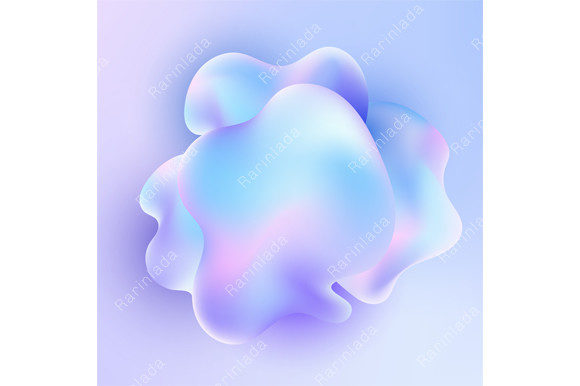
A 3D Fluid Liquid Holographic Element is a high-resolution vector graphic that features flowing, organic shapes resembling liquid or fluid motion in a holographic style. These designs often include dynamic gradients, reflective surfaces, and transparent layers to create a sense of depth and movement. Unlike static images, these elements are fully editable, allowing designers to manipulate colors, shapes, and effects with ease.
The file format typically includes EPS Version 10 and a JPG preview, ensuring compatibility with most professional graphic software like Adobe Illustrator and Corel Draw. With a resolution of 300 dpi, the output remains sharp and clear even when scaled up, which is essential for both print and digital use.
Key Features and Strengths
- Vector-Based: Being 100% vector means the design is infinitely scalable without loss of quality, perfect for logos, banners, and large-format prints.
- Holographic Aesthetic: The design mimics the shimmering, iridescent look of holograms, adding a futuristic and eye-catching dimension to any project.
- Fluid Motion: The flowing shapes evoke a sense of dynamism and energy, making them great for backgrounds that need visual interest without distraction.
- High Resolution: At 300 dpi, it's suitable for professional printing and high-quality digital displays.
- No Watermark: The clean file ensures that your final work isn’t compromised by unwanted marks or branding.
Why It Stands Out
Compared to traditional flat designs or even standard 3D models, the 3D Fluid Liquid Holographic Element brings a more immersive and artistic flair. Its fluid nature allows for seamless integration into various themes, from modern tech interfaces to fantasy-inspired visuals. Moreover, because it's vector-based, you can customize it to fit specific brand identities or design needs without compromising clarity or detail.
Marketing and Branding
Marketers often seek ways to stand out in crowded digital spaces. Using a 3D fluid or liquid flowing shape design element as a background can help create a memorable impression. For example, a startup launching a new health app might use this element in their promotional materials to symbolize the smooth, intuitive user experience they offer.
These elements also work well in email campaigns, landing pages, and social media graphics where a subtle yet engaging visual component can enhance overall appeal without overwhelming the message.
Creative Projects and Freelancing
Freelance designers and illustrators can benefit greatly from incorporating these elements into their portfolios or client projects. They’re particularly useful for creating website headers, album art, or animated transitions in video editing. Because the files are fully editable, you can tailor them to match color schemes or thematic elements already in place, ensuring a cohesive look across all assets.
Education and Presentations
Educators and presenters looking to engage audiences visually may find these elements useful for PowerPoint slides, infographics, or educational posters. A science teacher, for instance, could use a holographic fluid background to represent molecular movement or fluid dynamics in a more interactive way. Similarly, business presentations about innovation or data flow can gain a sleeker, more professional appearance with the right application of these design components.
Digital Media and Web Design
Web designers appreciate the versatility of 3D fluid liquid illustrations in crafting responsive layouts. These elements can be used to highlight sections of a site, animate transitions, or serve as part of a parallax scrolling effect. When layered correctly, they add a sense of realism and motion to otherwise static web pages, enhancing user experience and encouraging exploration.
Design Benefits You Can Count On
Beyond the aesthetic appeal, there are several tangible benefits to using a 3D Fluid Liquid Holographic Element in your workflow:
- Enhanced Usability: The clean, flowing lines of the design allow for easy customization, saving time during revisions or adaptations.
- Improved Communication: In contexts where abstract concepts need to be visualized—like technology, energy, or transformation—these elements provide a metaphor-rich backdrop that helps convey ideas more effectively.
- Strong Brand Identity: By using a consistent fluid design theme, businesses can reinforce their brand’s identity as innovative, adaptable, and forward-thinking.
- Higher Engagement: Visuals with movement and depth tend to capture attention better than flat images, especially on platforms like Instagram or YouTube thumbnails.
- Professional Quality: High-resolution outputs ensure that your final product looks polished whether printed or displayed online.
Real-World Use Cases
Consider a company specializing in AI-driven solutions. Their website might feature a 3D fluid holographic background to represent the continuous flow of data and intelligent processes. Another example is a music festival promoting its lineup with a poster that uses fluid shapes to mimic sound waves, giving it a vibrant, energetic feel.
Even in academic settings, such as a university research lab studying hydrodynamics, these elements can be used in visual reports to demonstrate complex fluid behaviors in a simplified, artistic manner.
Choosing and Implementing the Right Design Element
Selecting the appropriate 3D Fluid Liquid Holographic Element involves considering your project's goals and target audience. Here are some practical tips to guide your decision:
- Match the Theme: Ensure the fluid motion and holographic qualities align with the tone and purpose of your content. A corporate presentation might require a more subdued version compared to a gaming concept.
- Test Scalability: Before committing, open the vector file in your preferred software and test scaling to confirm it maintains clarity at different sizes.
- Layer Thoughtfully: Combine the element with other design layers carefully to avoid clutter. Use transparency and contrast to balance the composition.
- Optimize for Format: If preparing for print, stick to CMYK color profiles. For digital use, RGB works best. Also, consider compressing the JPG if needed for faster load times on websites.
- Stay Legal: Always verify licensing agreements to ensure the design can be used for your intended purposes, especially in commercial environments.
Implementation Best Practices
When implementing the 3D fluid or liquid flowing shape design element, start by defining the primary purpose of the background. Is it to draw attention to a key message? Or to set the mood for a digital campaign? Once you have a clear objective, layer the element accordingly. For instance, placing it behind minimal text can create a striking contrast while maintaining readability.
Also, don’t forget to experiment with lighting and shadow effects within the vector file. These adjustments can simulate real-world reflections and add depth, making the fluid appear even more lifelike.
Maximizing Value for Your Audience
For creators and entrepreneurs aiming to build a strong visual brand, investing in high-quality vector resources like the 3D Fluid Liquid Holographic Element is wise. These assets can be reused and repurposed across multiple platforms, reducing the need for repeated design efforts.
Business owners may use it in brochures or packaging to reflect a modern, cutting-edge image. Bloggers and publishers could incorporate it into article headers or section dividers to maintain reader interest and improve page layout aesthetics.
Ultimately, the value lies in its adaptability. From mobile app splash screens to animated explainer videos, the 3D fluid design can be molded to suit diverse needs without losing its core appeal.
Final Thoughts on Selection and Use
Before selecting a 3D Fluid Liquid Holographic Element, evaluate how well it integrates with your existing design language. Look for versions that offer flexibility in terms of color palettes and structure. While many files come pre-designed, the ability to modify them is a major plus.
Additionally, keep in mind the file size. Although the vector format is efficient, overly complex designs may slow down performance in animations or interactive projects. Simplify unnecessary details if needed to maintain speed and responsiveness.
With the right approach, the 3D fluid or liquid flowing shape design element becomes more than just a background—it transforms into a strategic tool that enhances storytelling, engagement, and professionalism across mediums.